The Ultimate Guide to Thermal Insulation
What is Thermal Insulation?
Thermal insulation is a critical technology for maintaining a comfortable and energy-efficient environment in buildings. It involves the use of materials that reduce the rate of heat transfer between the inside and outside of a structure. In a climate like Saudi Arabia's, where summer temperatures are extreme, effective thermal insulation is essential for keeping buildings cool and reducing the reliance on air conditioning. This guide will delve into the principles of thermal insulation, the materials used, and the significant benefits it offers.
How Thermal Insulation Works
Definition: Thermal insulation works by creating a barrier that resists the flow of heat. Heat can be transferred through three mechanisms: conduction, convection, and radiation. Insulation materials are designed to counteract these processes. For example, materials with trapped air pockets reduce heat transfer by conduction and convection, while reflective surfaces can block radiant heat. The effectiveness of a thermal insulator is measured by its R-value, with a higher R-value indicating better thermal resistance.
Criticality: In Saudi Arabia, the intense solar radiation and high ambient temperatures make thermal insulation a necessity. By minimizing heat gain, insulation helps to maintain a stable indoor temperature, significantly lowering energy consumption for cooling. This not only leads to substantial cost savings on electricity bills but also contributes to reducing the carbon footprint of buildings.
Issues Caused by Poor Thermal Insulation
Inadequate thermal insulation can lead to a variety of problems, particularly in the demanding climate of Saudi Arabia:
- Skyrocketing Energy Costs: Buildings with poor insulation allow a large amount of heat to enter, forcing air conditioning systems to run continuously at high power, resulting in extremely high energy bills.
- Reduced Comfort Levels: Hot spots and uneven temperatures are common in poorly insulated buildings, creating an uncomfortable living or working environment.
- Increased Environmental Impact: The high energy consumption associated with poor insulation contributes to increased greenhouse gas emissions, exacerbating environmental challenges.
Our Thermal Insulation Services
We provide comprehensive thermal insulation services designed to maximize energy efficiency and comfort in buildings across Saudi Arabia. Our solutions are tailored to meet the specific needs of different building types and applications.
- Roof Thermal Insulation: Specialized solutions for rooftops to combat extreme heat and reduce cooling costs.
- Wall Thermal Insulation: Effective thermal barriers for walls to maintain consistent indoor temperatures.
- Floor Thermal Insulation: Insulation solutions for floors to prevent heat transfer from the ground.
- Pipe Thermal Insulation: Protection for HVAC and plumbing pipes to prevent heat loss and condensation.
Common Thermal Insulation Materials
A range of materials is available for thermal insulation, each with its own advantages and suitability for different applications in the Saudi context.
- Expanded Polystyrene (EPS): A lightweight and rigid foam insulation that is cost-effective and widely used for walls and roofs. It offers good thermal performance and is resistant to moisture.
- Extruded Polystyrene (XPS): Similar to EPS but with a higher density and better resistance to moisture and compression. It is often used for foundations and inverted roofs.
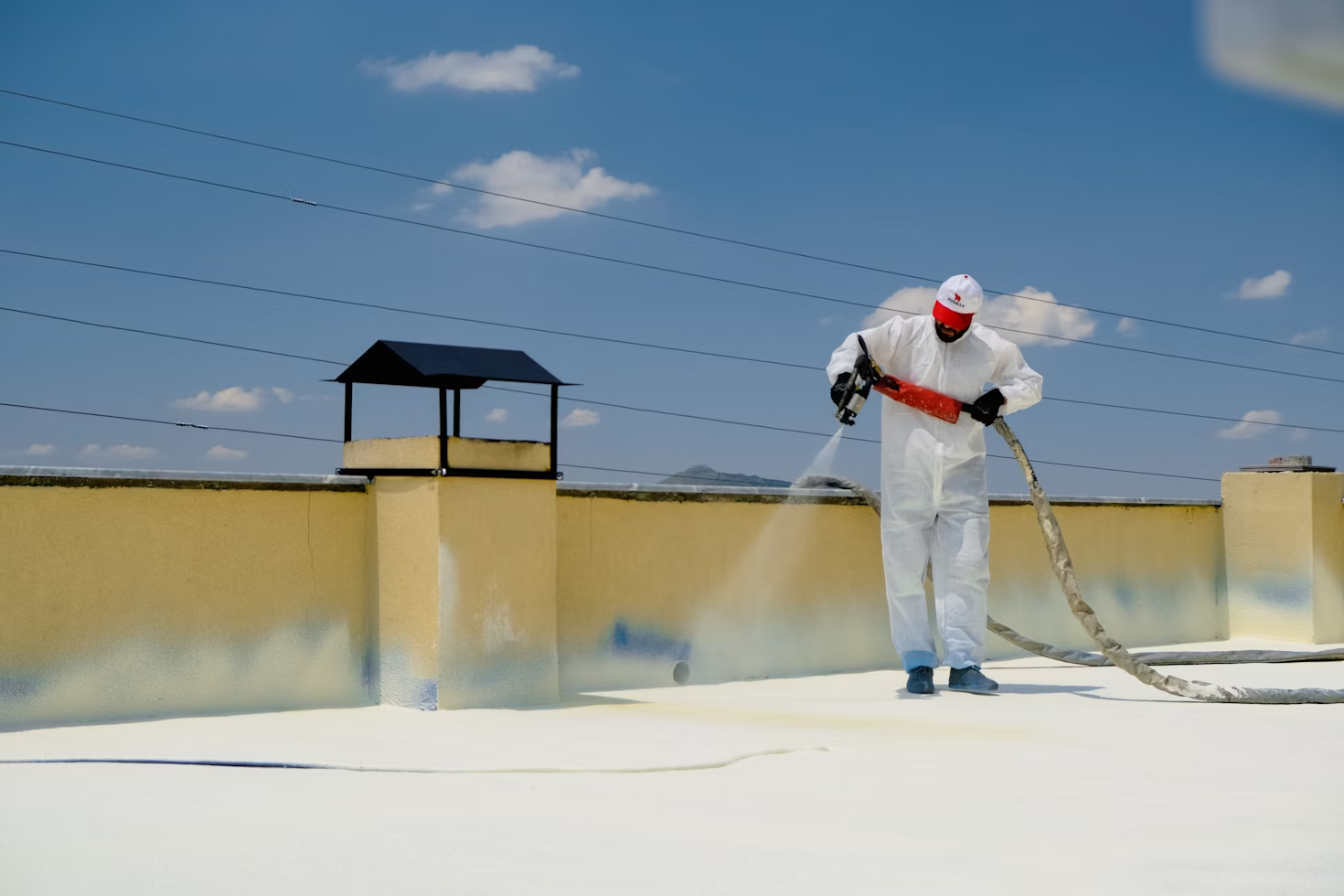
- Polyurethane (PUR) Foam: A versatile insulation material that can be sprayed or installed as rigid boards. It has a high R-value and provides excellent air sealing.
Professional Installation Process
To ensure the effectiveness of thermal insulation, it is crucial that it is installed correctly by trained professionals.
- 1. Site Evaluation and Planning: A thorough assessment of the building is conducted to determine the most appropriate insulation material and installation strategy.
- 2. Surface Preparation: The surfaces to be insulated are cleaned and prepared to ensure a proper fit and adhesion of the insulation material.
- 3. Installation and Sealing: The insulation is installed, and all joints and gaps are sealed to create a continuous thermal barrier.
Installation should ideally be done during the construction phase of a new building, but it can also be retrofitted to existing structures to improve their energy efficiency.
Cost Factors for Thermal Insulation Services
Understanding the factors that influence the cost of thermal insulation services can help you plan your budget effectively. Here are the key elements that affect pricing:
- Type of Insulation Material: Different materials have varying costs, with polyurethane foam generally being more expensive than EPS but offering superior thermal performance.
- Area Size: Larger areas require more materials and labor, which increases the overall cost.
- Accessibility: Difficult-to-reach areas such as high ceilings or tight spaces may require additional equipment or specialized techniques, affecting the price.
- Building Age and Condition: Older buildings may require additional preparation work or structural modifications, which can increase costs.
Benefits of Professional Thermal Insulation
Investing in professional thermal insulation services offers numerous advantages that extend beyond simple temperature control:
- Significant reduction in energy bills by up to 40%
- Enhanced comfort with consistent indoor temperatures
- Reduced noise pollution from outside sources
- Extended lifespan of HVAC systems
- Increased property value
- Environmentally friendly solution that reduces carbon footprint
- Improved indoor air quality by reducing dust and allergens
Maintaining Thermal Insulation
Thermal insulation generally requires minimal maintenance, but regular inspections can help ensure its long-term performance.
- Check for any signs of damage or displacement of the insulation, especially after any construction or renovation work.
- Ensure that the insulation is kept dry, as moisture can reduce its effectiveness.
- Address any pest-related issues promptly, as some pests can damage insulation materials.
Frequently Asked Questions
- What is the R-value, and why is it important?
- The R-value measures the thermal resistance of an insulation material. A higher R-value means better insulation performance. In Saudi Arabia, a high R-value is crucial for effective protection against the intense heat.
- Can thermal insulation also help with soundproofing?
- Yes, many thermal insulation materials, such as fiberglass and rock wool, also have excellent acoustic insulation properties, helping to reduce noise transmission.
- Is thermal insulation a good investment?
- Absolutely. The initial cost of installing high-quality thermal insulation is quickly offset by the significant savings on energy bills, making it a highly cost-effective investment in the long run.
Why Choose Our Thermal Insulation Services?
With years of experience in the Saudi market, we understand the unique challenges posed by the local climate and building requirements. Our team of certified professionals uses only high-quality materials and follows industry best practices to ensure optimal results.
- Local Expertise: We specialize in solutions tailored specifically for the Saudi climate and building standards.
- Quality Materials: We use only premium thermal insulation materials from trusted manufacturers.
- Professional Installation: Our certified technicians ensure precise installation for maximum effectiveness.
- Warranty Coverage: We stand behind our work with comprehensive warranty protection.
- Free Consultation: Get a no-obligation assessment and quote for your thermal insulation needs.